Much of the water that ends up in a basement starts on the roof and in the yard. You can deal with a lot of it yourself.
Fixes you can do
- Clean the gutters, especially after fall. Overflowing gutters dump water right at the foundation.
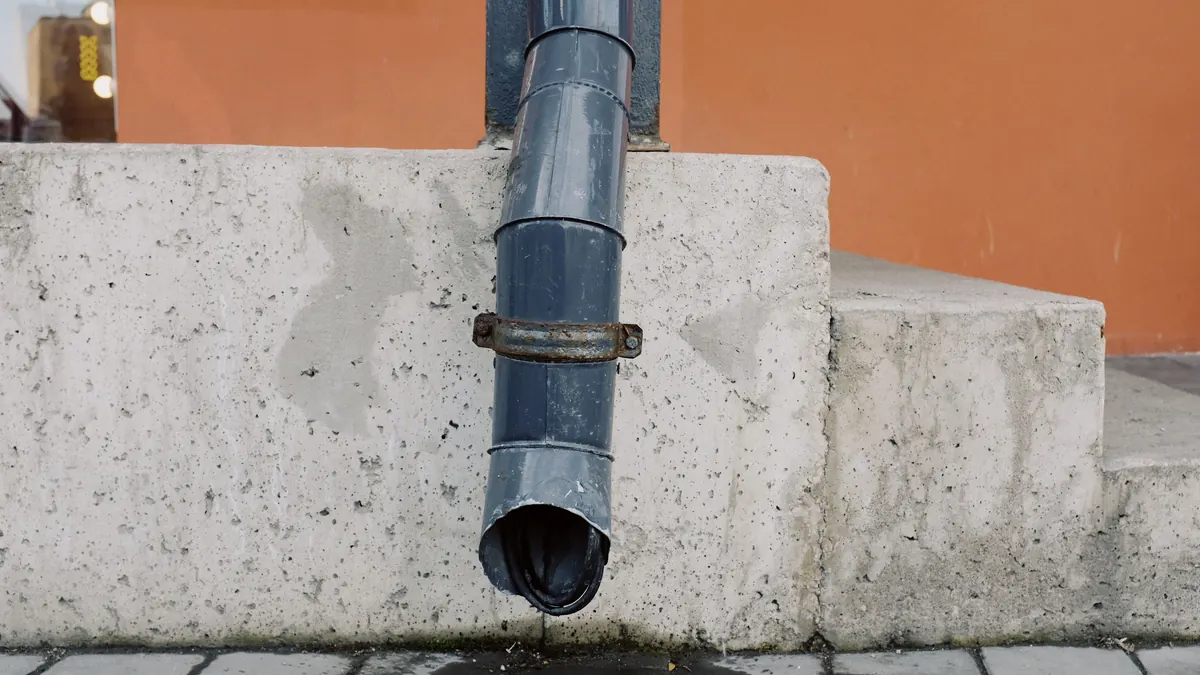
- Extend the downspouts several feet away from the house, onto ground that slopes away.
- Fix the grading. The soil should slope away from the foundation. Add soil where it has settled against the house.
- Window wells. Clear out leaves, make sure each well drains, and add a clear cover.
- Seal gaps where pipes and wires go through the wall, if they leak.
- Run a dehumidifier for damp air with no liquid water.
- Test the sump pump by pouring water into the pit until it switches on.
Watch the basement through the next heavy rain or thaw. If it stays dry, you may be done.
What needs a contractor
- Interior drain tile. Cutting and digging out the slab, setting pipe at the footing and installing a sump system.
- Crack injection. Done properly, with ports and pressure injection, not a surface patch.
- Exterior waterproofing. Excavating to the footing next to the house is dangerous without the right equipment.
- Bowing or leaning walls. A structural problem, not just a water problem.
What usually does not work
- Waterproof paint on walls with water coming through under pressure.
- Hydraulic cement on the inside of an active leak. Water often finds a way around it.
- Caulk at the floor joint. The water comes from under the wall, not through the joint itself.
If the DIY steps do not stop it, see basement waterproofing.
Free inspection in Grand Rapids and nearby cities
A licensed local contractor looks at the problem, explains the options and gives you a written quote. No obligation to hire.